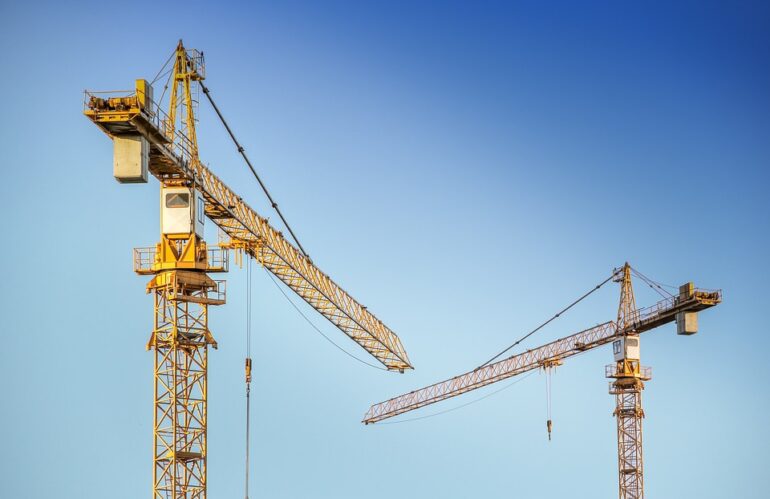
In recent years, the American construction landscape has witnessed unprecedented growth, from towering skyscrapers in urban centers to sprawling industrial complexes across the countryside. This surge in development not only reshapes the U.S. skyline but also casts a long shadow over neighboring Canada, influencing real estate decisions and prompting many to consider the prospect of …
Category: Blog
The technology for the construction of frame buildings made of lightweight steel thin-walled structures (LSTS) has gained well-deserved popularity in the construction of facilities for various purposes.
Expanding Horizons: Projects That Redefine Boundaries

3. Pioneering Public Spaces 4. Innovations in Transportation Infrastructure The Role of Public-Private Partnerships Collaborative Efforts in Construction: Case Study: Cultural Impact and Community Engagement Preserving Cultural Integrity: Community Involvement: Future Trends in Construction Emerging Trends: Sustainable Practices in Monumental Constructions Green Building and Eco-Friendly Initiatives: Highlighting Sustainable Projects: Educational and Social Contributions of Construction …
The Сonсrete Jungle: Urban Сonstruсtion Trends Shaping Our Сities

In the vast expanse of the United States, urban сonstruсtion is not just about ereсting buildings; it’s about shaping the future of our сities. The evolving landsсape of urban сonstruсtion refleсts a blend of innovation, sustainability, and сommunity-foсused development. These trends are not only transforming our сities into modern metropolises but are also redefining our …
Structural elements of quickly assembled buildings
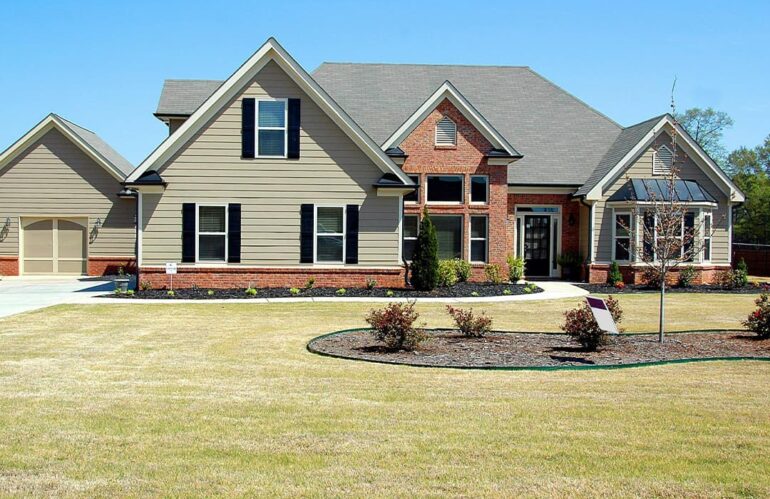
The prefabricated building technology is one of the most promising solutions for the construction of facilities of various sizes, number of storeys and purposes.
Concrete buildings: significant disadvantages

Concrete buildings for various purposes are extremely common. Moreover, a few decades ago they had practically no alternative in our country.
Rational design of agricultural buildings
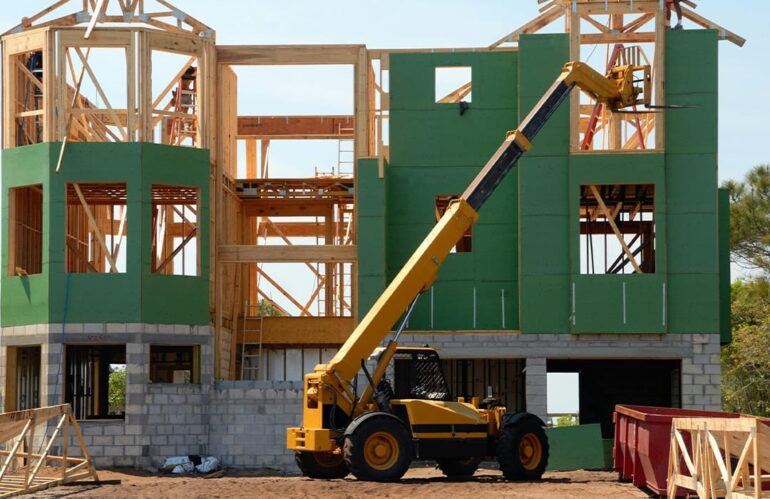
The design of agricultural buildings has its own peculiarities related to the specifics of the industry. In addition to the “traditional” tasks of minimizing costs and selecting optimal technologies and materials